
What Is High Density Polyethylene (HDPE)? Full Guide, Properties & Applications
Welcome to our complete guide to High Density Polyethylene (HDPE) — one of the world’s most widely used and versatile plastic materials. If you're looking to understand what HDPE is, how it differs from other polyethylene types, and where it is used, you’ve come to the right place.
1. What Is High Density Polyethylene (HDPE)?
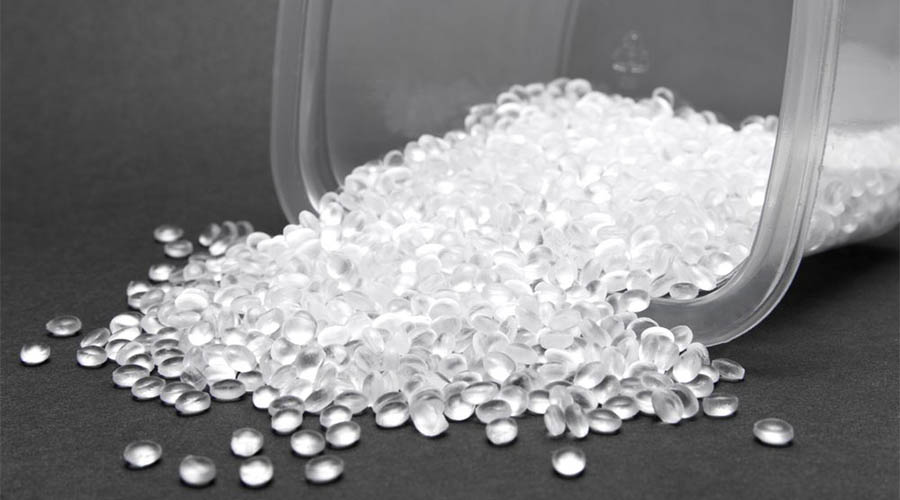
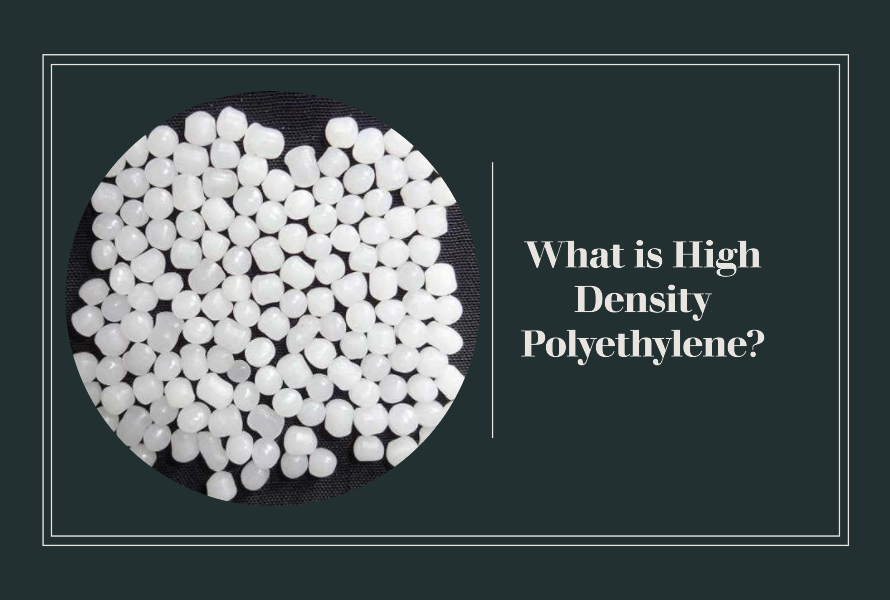
High Density Polyethylene (HDPE) is a strong, durable, thermoplastic polymer produced from the polymerization of ethylene. Known for its high strength-to-density ratio, HDPE is widely used in industries requiring materials that resist impact, chemicals, and moisture.
Why HDPE Is Popular
-
Excellent mechanical strength
-
Lightweight but durable
-
Outstanding chemical resistance
-
Suitable for food contact
-
Highly recyclable
Because of these characteristics, HDPE is used globally in manufacturing, packaging, construction, agriculture, and transportation.
2. Polyethylene vs High Density Polyethylene – What’s the Difference?
Although Polyethylene (PE) is a broad family of plastics, HDPE is a specific grade within that family..png "HDPE")
Major Differences:
| Feature | Polyethylene (General) | High Density Polyethylene (HDPE) |
|---|---|---|
| Density | Low–high | High |
| Structure | Varies | Linear, low branching |
| Rigidity | Medium | High |
| Strength | Moderate | Very strong |
| Typical Use | Bags, films | Pipes, bottles, containers, automotive |
Because HDPE has a tighter molecular structure, it becomes stronger, more rigid, and more resistant to chemicals compared to LDPE or LLDPE.
3. Typical Properties of HDPE Plastic
HDPE Yield Strength
HDPE has an impressive yield strength, making it suitable for applications that require load-bearing ability and structural durability..png "HDPE")
Chemical Resistance
HDPE performs exceptionally well when exposed to acids, alkalis, and other chemicals. This makes it ideal for:
-
Chemical containers
-
Fuel tanks
-
Industrial storage
Chemical Compatibility
HDPE does not react with most chemicals, ensuring product safety and long-term stability.
UV Resistance
With excellent UV resistance, HDPE maintains its performance even under prolonged sunlight. This makes it perfect for:
-
Outdoor pipes
-
Agricultural films
-
Water tanks
4. High Density Polyethylene Uses
HDPE’s versatility allows it to be used across many industries. Here are the most common applications:
1. Packaging
HDPE is widely used to manufacture:
-
Bottles & containers
-
Jerry cans
-
Milk bottles
-
Plastic bags
Its moisture resistance helps protect and preserve products during transportation..jpg "HDPE")
2. Construction & Infrastructure
HDPE is essential in:
-
Water supply pipes
-
Drainage systems
-
Gas distribution pipes
-
Cable protection
Its corrosion resistance and flexibility make it ideal for underground installations..jpg "HDPE")
3. Automotive
HDPE is used to produce:
-
Fuel tanks
-
Bumpers
-
Interior parts
It offers high impact resistance and can withstand extreme temperatures..jpg "HDPE")
4. Agriculture
HDPE supports agricultural productivity by being used in:
-
Irrigation systems
-
Greenhouse covers
-
Mulch films
-
Chemical & fertilizer containers
Its durability ensures long-term performance in harsh outdoor conditions.
5. Conclusion
High Density Polyethylene is a reliable, high-performance plastic known for its durability, chemical resistance, UV resistance, and wide application range. Whether in packaging, construction, automotive, or agriculture, HDPE continues to be an essential material due to its strength and cost-effectiveness.
Understanding the differences between polyethylene types and HDPE helps manufacturers choose the right material for specific applications.
6. Europlas – A Global Leader in Plastic Masterbatch
Europlas is one of the world’s leading manufacturers of plastic masterbatch and additives. With advanced technology and decades of expertise, Europlas provides:
-
Filler masterbatch (CaCO₃ / Talc / Transparent)
-
Color masterbatch
-
Additive masterbatch (UV, anti-static, anti-block, slip, etc.)
Europlas works closely with global partners to deliver:
-
Cost-saving solutions
-
Stable quality
-
Customized formulations
-
Consistent performance
-
Fast delivery
Our solutions help businesses improve their HDPE, PP, PE products in packaging, automotive, electronics, agriculture, and more.
For more information, feel free to contact us.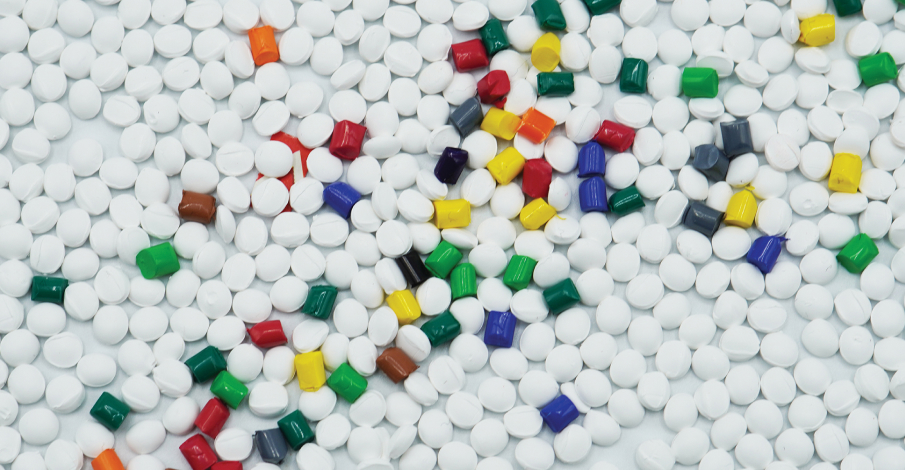
7. FAQs
1. What are the benefits of using HDPE in packaging?
HDPE is durable, moisture-resistant, cost-effective, and safe for food contact, making it a top choice for bottles, containers, and bags.
2. Is HDPE recyclable?
Yes. HDPE is one of the most widely recycled plastics. Recycling HDPE reduces waste and supports sustainability goals.
3. Is HDPE safe for food and beverage applications?
Yes. HDPE is FDA-approved and does not leach harmful chemicals into food or drinks.
4. Which industries rely on HDPE?
HDPE is widely used in packaging, construction, automotive, agriculture, household goods, and industrial applications.
5. How does Europlas support HDPE applications?
Europlas provides high-performance masterbatch solutions that enhance HDPE’s strength, color, durability, processability, and cost efficiency.